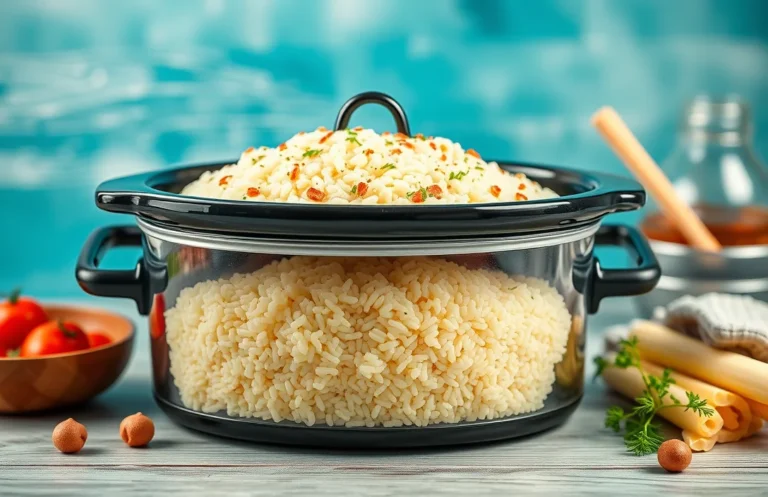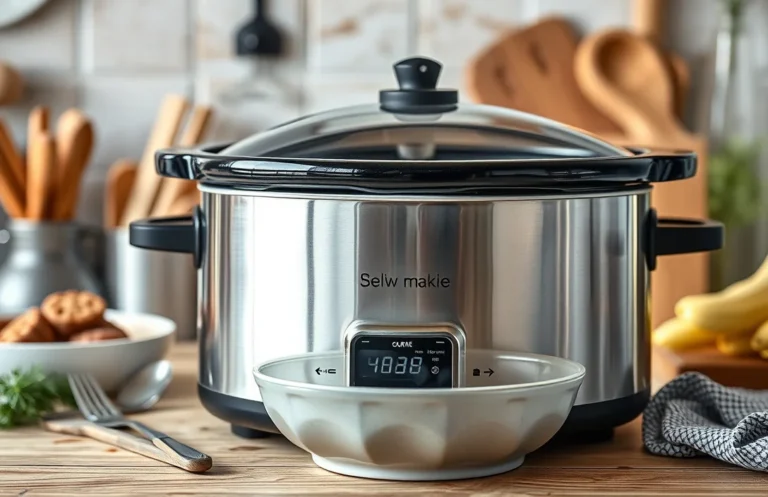
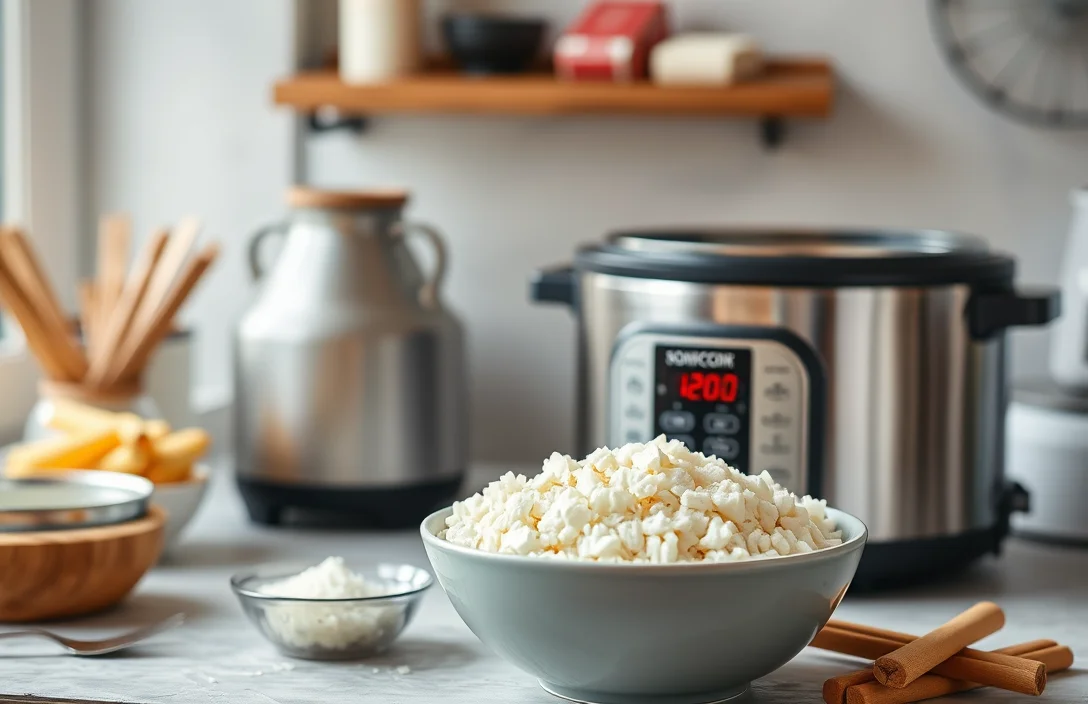
How to Cook Grits in a Rice Cooker: A Simple Guide
Approximately 90% of rice cookers can effectively cook grits, making them a versatile kitchen appliance for this task. Many people are unaware that grits can be prepared with consistent results using this method, saving both time and effort in meal preparation.
Cooking grits in a rice cooker is simple: measure the grits and water, add them to the cooker, and turn on the machine. Allow the grits to cook until they reach your desired consistency, which may take about 20-30 minutes.
Grits: What Are They?
Grits are a staple dish in Southern cuisine, made from ground corn. Typically, they come in two main varieties: white and yellow. White grits use hominy, while yellow grits are made from dent corn. Both types provide a creamy texture when cooked and serve as a versatile base for various toppings.
Commonly, grits are served as a side dish or breakfast option, often paired with butter, cheese, or shrimp. Cooking methods can vary, but they generally require boiling in water or broth until they reach a thick consistency. Understanding the types of grits can enhance your cooking experience and flavor preferences.
Serving grits can be simple or elaborate, depending on personal taste. Popular toppings include gravy, scallions, or even fried eggs. Experimenting with different types can yield exciting results, making it essential to know which variety suits your dish best. Mastering grits opens up numerous culinary possibilities.
Rice Cooker Functionality
Rice cookers operate on a straightforward principle. They use a heating element to boil water, which cooks the grains inside. Once the water reaches a certain temperature, the cooker automatically switches from cooking to warming mode. This mechanism ensures that food is cooked evenly and prevents burning.
- Heating element activates upon starting. This component generates heat, bringing water to a boil quickly.
- Water temperature rises to boiling point. The cooker monitors temperature closely to maintain optimal cooking conditions.
- Steam builds up inside. As water turns to steam, it surrounds the rice or grits, cooking them thoroughly.
- Thermostat detects temperature drop. After all water evaporates, the temperature begins to rise significantly.
- Automatic switch to warm mode. Once cooking completes, the cooker maintains the food at a safe, warm temperature.
These features make rice cookers versatile tools for preparing various grains, including grits. Understanding how this appliance functions can help in determining the best methods for cooking different foods.
Feasibility of Cooking Grits
Yes, grits can be cooked in a rice cooker. This tool is versatile and can handle various grains, making it suitable for preparing grits. The process is straightforward, allowing for easy meal preparation without constant monitoring. Many home cooks find that rice cookers simplify the cooking process, yielding creamy and delicious results.
Cooking time varies based on the type of grits. Instant grits require less time, typically around 10-15 minutes, while stone-ground varieties may take longer, approximately 30-40 minutes. Adjusting the water-to-grits ratio is crucial; generally, a 4:1 ratio works well for a creamy consistency. Experimenting with different water levels can help achieve the desired texture.
Flavoring options enhance the dish significantly. Adding butter, cheese, or seasonings can elevate the taste and make grits more enjoyable. Additionally, incorporating broth instead of water can provide an extra layer of flavor. Experimenting with toppings like herbs or sautéed vegetables can also add variety to your meal.
Clean-up is straightforward with a rice cooker. After cooking, simply unplug the device and let it cool down. Most rice cookers have non-stick surfaces, making it easy to clean with warm soapy water. Ensuring proper maintenance will keep the rice cooker in good condition for future uses.
Preparation Steps for Grits
Measure your grits accurately. A standard serving typically requires one cup of grits to four cups of water. Adjust this ratio based on how creamy or thick you prefer your final dish. Always use a measuring cup for consistency to ensure the right texture.
Rinse the grits before cooking. This step helps remove any impurities and excess starch, which can lead to clumping during the cooking process. Place the grits in a fine-mesh strainer and run them under cold water until the water runs clear.
Add the rinsed grits to the rice cooker. Pour them directly into the cooker’s pot, ensuring an even spread. Next, pour in the measured water. Stir gently to combine, ensuring the grits are fully submerged.
Season the mixture for flavor. Adding salt enhances the taste of your grits. A teaspoon of salt is usually sufficient for every cup of dry grits. Adjust according to your preference, keeping in mind any additional toppings you may add later.
Optimal Rice Cooker Settings
Set the rice cooker to the porridge or oatmeal setting for perfect grits. This setting typically allows for a longer cooking time, which helps break down the grains properly. If your cooker does not have this option, use the standard white rice setting, adjusting the water ratio slightly to ensure a creamy texture.
Use a water-to-grits ratio of approximately 4:1 for a creamy consistency. For coarser grits, you may consider reducing the water slightly. Stir the mixture once after adding the grits to avoid clumping. Always check the manufacturer’s instructions for specific recommendations, as models can vary.
Monitor the cooking process closely. If your rice cooker has a keep-warm function, be aware that it can continue to cook the grits even after the initial cycle completes. If necessary, stop the cooking cycle manually once the desired consistency is achieved, ensuring your dish remains creamy and not overcooked.
Tips for Perfect Grits
Enhancing flavor starts with selecting quality ingredients. Opt for stone-ground grits for a richer texture and taste. Instant or quick-cooking varieties may save time but often lack the depth associated with traditional options. Always check for freshness, as older grits can result in a less appealing dish.
Incorporating liquid variations can improve flavor. Instead of water, try using broth or milk for creamier grits. For added richness, consider a combination of both. Adjust the liquid ratios based on the desired consistency; less liquid results in thicker grits, while more creates a smoother texture.
- Adding butter contributes a luscious finish.
- Incorporating cheese enhances the savory profile.
- Mixing in spices or herbs elevates the taste.
Experimenting with toppings can transform your dish. Consider options like sautéed mushrooms, crispy bacon, or fresh herbs to elevate the overall experience. These additions not only enhance flavor but also provide texture and visual appeal.
Troubleshooting Common Issues
Grits can turn out too thick if not enough liquid is used. For ideal consistency, follow a 1:4 ratio of grits to water. If the mixture is too thick, simply add more water gradually while cooking. Stirring helps to combine the ingredients effectively, ensuring even cooking.
Burning can occur if the rice cooker’s heat settings are too high. Monitor the cooking process closely, especially during the final stages. Adjusting the setting to a lower temperature or switching to a warm setting can prevent grits from scorching.
Clumping often results from not stirring the grits during the cooking process. Regular stirring ensures that the grains separate and cook evenly. Use a wooden spoon or silicone spatula to gently mix the grits at intervals to achieve a creamy texture.
Overcooking leads to a mushy texture, which is undesirable. Check for doneness periodically, especially toward the end of the cooking time. Once the grits are soft and creamy, promptly turn off the rice cooker to avoid further cooking.
Underseasoning can leave your dish bland. Ensure to season the water before adding the grits. Taste the mixture as it cooks, adjusting salt and other seasonings according to preference to enhance flavor.
Quick Summary
- Grits can be easily cooked in a rice cooker, making the process convenient.
- Using a rice cooker allows for consistent cooking temperatures, resulting in evenly cooked grits.
- Typically, the ratio of water to grits is 4:1, but this may vary based on personal preference for texture.
- Cooking time in a rice cooker is generally around 20-30 minutes, depending on the model and settings.
- Stir the grits occasionally during cooking to prevent sticking and ensure a creamy consistency.
- Add ingredients like butter, cheese, or seasonings after cooking for enhanced flavor.
- Make sure to clean the rice cooker thoroughly after use to prevent residue build-up.
Frequently Asked Questions
Can I cook grits in a rice cooker?
Yes, you can cook grits in a rice cooker. Just combine the grits with water or broth in the cooker and set it to the appropriate cooking cycle.
What is the water-to-grits ratio for cooking in a rice cooker?
The general water-to-grits ratio is about 4:1, meaning for every cup of grits, you should use four cups of water. You can adjust this based on your desired consistency.
How long does it take to cook grits in a rice cooker?
Cooking grits in a rice cooker typically takes about 20-30 minutes, depending on the type of grits you are using. Check the rice cooker periodically to ensure they are cooking evenly.
Do I need to stir the grits while cooking in a rice cooker?
It is generally not necessary to stir grits while they are cooking in a rice cooker. The appliance is designed to cook evenly, but you may want to give them a gentle stir before serving for a creamier texture.
Can I add ingredients to the grits while cooking in a rice cooker?
Yes, you can add ingredients like cheese, butter, or seasonings during the cooking process. Just be cautious not to overcrowd the cooker, which might affect the cooking time and consistency.

- 8 Easy Slow Cooker Beef and Rice Recipes for Delicious Meals - March 29, 2026
- Slow Cooker Beef and Sausage Chili: 7 Steps to Flavorful Success - March 29, 2026
- Savory Beef Back Ribs in a Pressure Cooker: 7 Steps to Perfection - March 29, 2026