Cooking Frozen Meat in a Pressure Cooker: Safety and Tips
Seventy-five percent of people believe cooking frozen meat is unsafe. Surprisingly, using a pressure cooker can safely cook frozen meat, making meal prep convenient and efficient. This method not only saves time but also retains flavor and nutrients, ensuring delicious results without compromising safety.
Cooking frozen meat in a pressure cooker is safe and effective. The pressure cooker heats quickly, reducing cooking time significantly. For best results, add extra liquid and adjust cooking times based on the type and size of the meat. Enjoy tender, flavorful dishes straight from frozen.
Safety of Cooking Frozen Meat
Cooking frozen meat safely begins with understanding temperature guidelines. Meat must reach a minimum internal temperature to ensure harmful bacteria are eliminated. For poultry, that temperature is 165°F (74°C), while beef, pork, lamb, and veal should reach at least 145°F (63°C). Using a pressure cooker can help achieve these temperatures quickly.
Monitoring meat temperature accurately is crucial to avoid foodborne illnesses. Using a reliable meat thermometer will provide precise readings, ensuring safety. Insert the thermometer into the thickest part of the meat, avoiding bones, as they can give false readings. This step is vital regardless of whether the meat was frozen before cooking.
Pressure cookers offer an efficient method for cooking frozen meat. The steam generated in these devices creates a high-pressure environment, which increases the boiling point of water. This process helps cook the meat evenly and thoroughly, preventing the growth of harmful bacteria. Always follow manufacturer guidelines for cooking times and settings.
Defrosting meat before cooking enhances flavor and texture. While pressure cookers can cook frozen meat, defrosting can lead to better results. If time allows, consider thawing meat in the refrigerator overnight. This method ensures safety and improves the overall quality of the meal.
Pressure Cooker Time Adjustments
Adjusting cooking times for frozen meat is crucial for optimal results. Cooking frozen meat in a pressure cooker generally requires additional time compared to fresh or thawed meat. As a rule of thumb, increase the cooking time by about 50% to ensure the meat cooks thoroughly and safely.
- Determine the original cooking time for fresh meat. Check your recipe for specifics on how long it typically takes to cook the type of meat you have.
- Calculate the new cooking time by multiplying the original time by 1.5. For example, if the fresh cooking time is 30 minutes, the new time for frozen meat should be 45 minutes.
- Consider the thickness and size of the meat. Larger or thicker cuts may require more time, while smaller ones may need less than the calculated increase.
- Adjust for altitude if applicable. At higher altitudes, cooking times may need further adjustments to ensure proper cooking.
- Monitor meat doneness using a meat thermometer. Ensure the internal temperature reaches safe levels: 165°F for poultry, 145°F for pork, and 160°F for ground meats.
Best Types of Meat to Cook Frozen
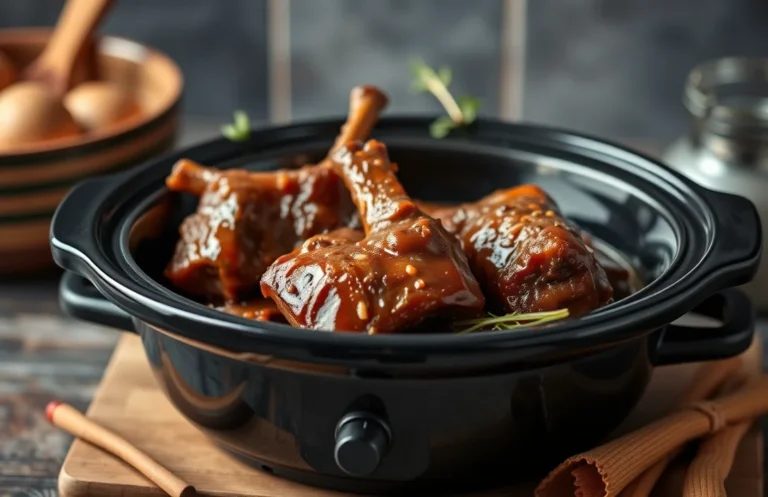
Beef, chicken, and pork rank as the most suitable meats for pressure cooking from frozen. These proteins can withstand the cooking process without losing their texture or flavor. Their dense structure allows for even cooking, ensuring that they reach safe internal temperatures in a reasonable time frame.
Ground meats, such as beef or turkey, also perform well in a pressure cooker. They cook relatively quickly, making them ideal for weeknight meals. Just ensure they are separated into smaller portions for faster and more even cooking results.
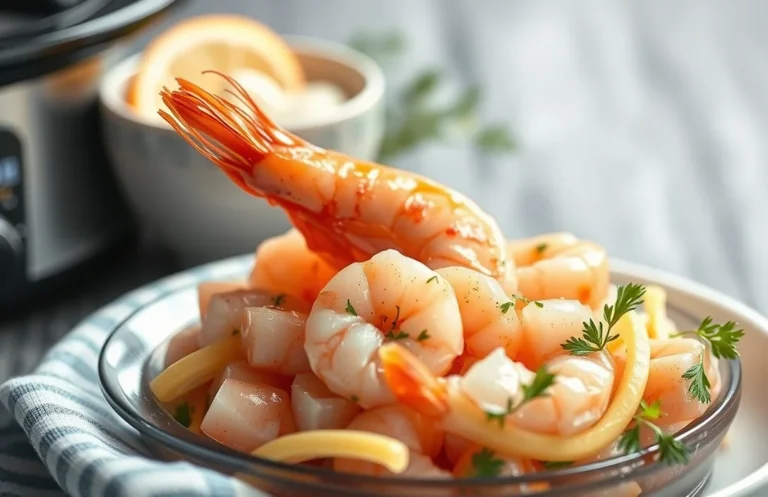
Fish and seafood can be cooked from frozen, but care should be taken. Delicate textures might suffer from the high-pressure environment. Cooking time should be adjusted accordingly to avoid overcooking these proteins.
Lamb is another excellent candidate for pressure cooking from frozen. Its rich flavor benefits from the steam and pressure, resulting in tender, succulent meat. Just remember to season adequately after cooking to enhance its natural flavors.
Finally, game meats such as venison can also be cooked effectively from frozen. Their robust taste can shine through, especially when combined with hearty sauces or marinades. This method helps retain moisture, delivering a satisfying meal.
Benefits of can i cook frozen meat in pres
Overcooking frozen meat is a common mistake. Pressure cookers operate quickly, and it’s easy to unintentionally set the timer too long. Always follow recommended cooking times, which can vary depending on the type and size of meat. Consult your pressure cooker manual for specific times to ensure that meat is thoroughly cooked but not dried out.
Ignoring natural release is another error. Pressure cooking frozen meat often requires a natural pressure release to properly finish cooking. Rapidly releasing pressure can cause juices to escape, resulting in tough meat. Allow the cooker to naturally release pressure for at least 10 minutes before opening the lid.
Forgetting to add liquid can lead to failure. Pressure cookers require liquid to generate steam and build pressure. Always include adequate amounts of broth, water, or sauce when cooking frozen meat to prevent burning and ensure even cooking.
Neglecting to cut larger pieces is also problematic. Larger cuts of frozen meat may not cook evenly, leading to some parts being undercooked. Consider cutting larger pieces into smaller sections before cooking to achieve more uniform results.
Rushing the thawing process should be avoided. If time allows, thawing meat in the refrigerator before pressure cooking can improve flavor and texture. While it’s safe to cook frozen meat, thawing allows for better seasoning absorption and cooking consistency.
Flavor Enhancements for Frozen Meat
Seasoning frozen meat effectively enhances flavor. Before cooking, consider adding spices or herbs directly into the pressure cooker. These ingredients will infuse the meat during the cooking process, providing a robust taste. Choose a mix that complements the type of meat being cooked.
- Garlic powder works well with beef.
- Italian seasoning enhances chicken dishes.
- Cumin gives a unique flavor to pork.
- Smoked paprika adds depth to all types.
Marinades serve as another excellent option. Allowing the meat to soak in a marinade before cooking can significantly intensify its flavor. Use simple ingredients like soy sauce, vinegar, or citrus juice to create effective marinades. Just a short marinating time can yield remarkable results.
Cooking liquids also play a vital role. Broths, stocks, or even wine can be added to the pressure cooker for added flavor. These liquids will not only tenderize the meat but also create a savory sauce that enhances the overall dish.
Post-Cooking Safety Tips
Cooked meat must be handled carefully to ensure safety and freshness. After using a pressure cooker, allow the meat to rest for a few minutes before cutting or serving. This resting period helps juices redistribute, enhancing flavor. Moreover, cooling down the meat quickly minimizes bacterial growth.
- Store leftovers within two hours.
- Seal meat in airtight containers.
- Refrigerate or freeze promptly.
- Reheat thoroughly before serving.
- Check for proper internal temperature.
Storing cooked frozen meat correctly prevents spoilage. Ensure leftovers are placed into containers that are suitable for the refrigerator or freezer. Always label the containers with the date to track freshness.
Reheating is crucial for safety. Heat the meat until it reaches an internal temperature of 165°F (74°C) to kill any harmful bacteria. Use a food thermometer for accuracy, especially if the meat has been frozen after cooking.
Following these safety tips ensures that your experience with a pressure cooker is enjoyable and risk-free. Proper handling and storage of cooked meat can significantly reduce foodborne illnesses, allowing you to enjoy your meals with peace of mind.
Quick Summary
- Cooking frozen meat in a pressure cooker is safe and can be done effectively.
- It’s important to increase the cooking time by about 50% compared to thawed meat.
- Always ensure the meat reaches a safe internal temperature, typically 165°F (75°C) for poultry.
- Use enough liquid in the pressure cooker to create steam, which is essential for cooking.
- For best results, cut large frozen pieces into smaller chunks to ensure even cooking.
- Consult the pressure cooker’s manual for specific guidelines and adjustments related to frozen meat.
- Allow for a natural pressure release if cooking larger cuts for more tender results.
Frequently Asked Questions
Can I cook frozen meat in a pressure cooker?
Yes, you can cook frozen meat in a pressure cooker. The pressure cooker is designed to cook food quickly, and it can safely handle frozen meat without the need for thawing.
How much time should I add when cooking frozen meat?
When cooking frozen meat, you generally need to add about 50% more cooking time compared to fresh meat. For example, if a recipe calls for 20 minutes for fresh meat, you should cook frozen meat for about 30 minutes.
Do I need to adjust the liquid amount when cooking frozen meat?
No, you do not need to adjust the liquid amount solely because the meat is frozen. However, ensure that you have enough liquid in the pressure cooker to create steam, which is essential for cooking.
Is there a difference in texture or taste when using frozen meat?
Cooking frozen meat may result in a slightly different texture compared to fresh meat, but it is generally still very tender and flavorful. The pressure cooker helps retain moisture, minimizing any potential differences.
Are there specific types of meat that are better or worse to cook from frozen?
Most types of meat, such as chicken, beef, and pork, can be cooked from frozen in a pressure cooker. However, it’s best to avoid cooking large cuts of meat that require longer cooking times, as they may not cook evenly.

- 8 Easy Slow Cooker Beef and Rice Recipes for Delicious Meals - March 29, 2026
- Slow Cooker Beef and Sausage Chili: 7 Steps to Flavorful Success - March 29, 2026
- Savory Beef Back Ribs in a Pressure Cooker: 7 Steps to Perfection - March 29, 2026