Cooking Frozen Meat in a Pressure Cooker: Safety and Tips
Cooking frozen meat in a pressure cooker reduces cooking time by up to 70%, making dinner prep significantly quicker. Many home cooks wonder if this method is safe and effective, especially when time is tight and defrosting isn’t an option.
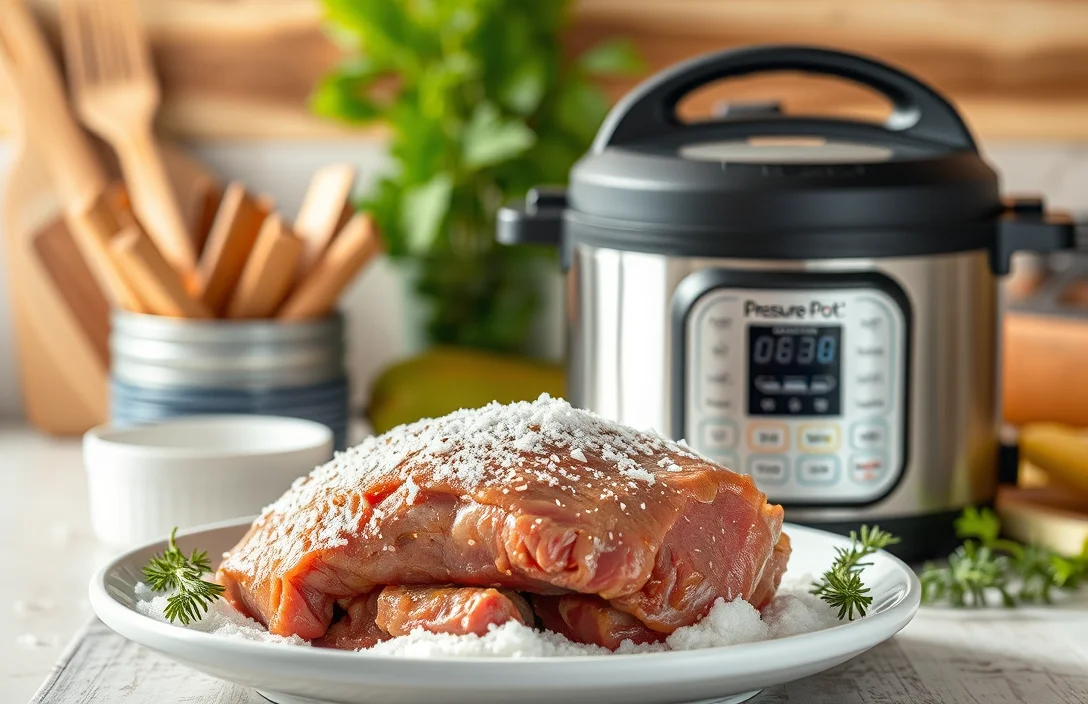
Yes, you can cook frozen meat in a pressure cooker. Increase cooking time by 50% compared to fresh meat. Make sure to avoid overcrowding for even cooking. Always check the internal temperature to ensure it’s fully cooked.
Safety Guidelines for Frozen Meat
Cooking frozen meat in a pressure cooker requires proper precautions to ensure food safety. Always check the meat for any signs of freezer burn or spoilage before cooking. If the meat appears discolored or has an off smell, discard it immediately. Fresh, quality meat ensures a better cooking experience and flavor.
Temperature control is crucial. Frozen meat should reach an internal temperature of at least 165°F (74°C) to eliminate harmful bacteria. Use a reliable meat thermometer to verify the temperature after cooking. This ensures that the meat is safe to eat and helps avoid foodborne illnesses.
Pressure cooking reduces cooking times significantly. Generally, increase cooking time by around 50% compared to fresh meat. For example, if a recipe calls for 10 minutes for fresh meat, set the pressure cooker for about 15 minutes when using frozen meat. Adjusting the time allows for thorough cooking.
Separation of meat pieces is vital. If cooking multiple pieces, ensure they are not stuck together. This promotes even cooking and prevents undercooked areas. If necessary, run the frozen meat under cold water briefly to separate pieces before placing them in the cooker.
Pressure Release Methods Explained
Releasing pressure safely after cooking frozen meat is crucial for ensuring food safety and texture. Use the following methods to achieve optimal results without any risks. Each method offers a different approach depending on your cooking needs and preferences.
- Natural release involves letting the pressure gradually decrease on its own. This method takes longer but allows the meat to continue cooking slightly, enhancing tenderness.
- Quick release allows for immediate pressure release. To use this method, carefully turn the pressure release valve to the “venting” position. Always protect your hands and face from the steam.
- Cold water immersion is an alternative for quicker cooling. Place the entire cooker under cold running water, ensuring the steam vent stays above the water level to prevent water from entering the pot.
- Combination release merges both methods. Start with natural release for 5-10 minutes, then switch to quick release. This technique balances tenderness with time efficiency.
- Always monitor the pressure indicator. Never attempt to open the lid until the pressure has completely released and the indicator has dropped to its original position.
Tips for can i cook frozen meat in a pr
Ensuring even cooking requires proper meat placement. Organize the frozen pieces so they are not stacked on top of each other. If they are frozen together, try to separate them using hot water or a quick thaw. This allows steam to circulate around each piece, promoting consistent cooking.
Adjust the cooking time based on thickness. Thicker cuts of meat need longer cooking times than thinner ones. For example, a frozen chicken breast might require approximately 10-15 minutes, while a frozen roast could take 30-45 minutes. Use a meat thermometer to confirm doneness to avoid undercooked meat.
- Use liquid for steam; add at least 1 cup of water or broth to the pot.
- Consider using a trivet to lift meat above the liquid, ensuring steam surrounds it.
- Monitor the pressure cooker closely and avoid overfilling, as this can hinder performance.
Check for even cooking by cutting into the thickest part of the meat. If it appears pink or undercooked, return it to the pressure cooker for additional time. Adjustments can be made in small increments to ensure complete cooking without overdoing it.
Thawing vs. Cooking Frozen Meat
Cooking frozen meat directly in a pressure cooker is a valid option when time is limited. Unlike traditional methods that require thawing, pressure cooking works effectively with frozen ingredients by using high pressure to cook food evenly and quickly. This method ensures that the meat reaches safe cooking temperatures without needing to thaw first.
Temperature differences impact texture and flavor. Thawing meat prior to cooking allows for more even cooking, which can enhance tenderness and flavor absorption. Frozen meat can sometimes cook unevenly, leading to drier outer layers while the inside remains undercooked. To mitigate this, consider cutting larger pieces into smaller ones.
Cooking times vary significantly between thawed and frozen meat. Generally, frozen meat will require approximately 50% longer cooking time in a pressure cooker compared to thawed meat. Adjust the cooking duration accordingly to ensure safety and desired doneness. Always refer to specific guidelines for different meat types to achieve optimal results.
Flavor enhancement occurs differently with frozen meat. Thawing allows marinades and seasonings to penetrate the meat more effectively, leading to a richer taste. On the other hand, frozen meat may not absorb flavors as well during cooking, impacting the final dish. Using strong seasonings may help mitigate this effect.
Flavor Infusion Techniques
Seasoning meat at the start can enhance flavor significantly. Before sealing the pressure cooker, add spices, herbs, or marinades directly onto the frozen meat. For optimal infusion, consider using garlic powder, onion powder, or dried herbs. These ingredients will dissolve during cooking, permeating the meat with rich flavors.
Acidic components like vinegar or citrus juice also work wonders. Adding a splash of lemon juice or balsamic vinegar not only tenderizes but also brightens the overall taste. Combine these with your favorite spices to create a well-rounded flavor profile.
Broths or stocks serve as excellent bases. Instead of just water, use chicken or beef broth to cook frozen meat. This method enhances the overall taste while ensuring that the meat remains juicy and flavorful throughout the cooking process.
Pressure cooking allows for quick flavor extraction. Items like chopped onions, bell peppers, or even diced tomatoes can be added to the pot. As they cook, they release their natural sweetness and savory notes, creating a delightful sauce that complements the meat.
Finally, finishing touches matter. After cooking, consider garnishing with fresh herbs or a drizzle of olive oil to brighten the dish. This simple step elevates the taste, giving your meal a fresh and vibrant finish.
Common Frozen Meat Mistakes
Skipping proper thawing methods can result in uneven cooking. Always ensure that the meat is appropriately positioned within the pressure cooker to allow for even heat distribution. Avoid placing large blocks of frozen meat directly on the bottom; instead, use a trivet or steamer basket to elevate the meat.
Overloading the pressure cooker frequently leads to undercooked meat. Each model has a maximum fill line, usually marked inside the pot. Filling beyond this limit can prevent the cooker from reaching pressure, resulting in longer cooking times or incomplete meals.
Ignoring cooking times for frozen meat can ruin your dish. Each type of meat has specific recommendations for cooking times, and frozen variations often require adjustments. Refer to your pressure cooker’s manual or reliable recipes to ensure you’re using the correct duration.
Neglecting to add enough liquid may cause the pressure cooker to malfunction. Liquid is essential for creating steam, which builds pressure and cooks the meat. Always include at least one cup of liquid, or more depending on the recipe and the amount of frozen meat.
Assuming all cuts of meat are the same can lead to dissatisfaction. Different meats and cuts have various textures and cooking requirements. For instance, tougher cuts like beef chuck may need longer cooking times compared to chicken breasts. Adjust your cooking approach based on the type of meat you are using.
Quick Summary
- Yes, you can cook frozen meat in a pressure cooker.
- Cooking time will be longer than for thawed meat.
- Ensure the meat is properly sealed and suitable for pressure cooking.
- Always check the internal temperature to ensure it’s safe to eat.
- Adding liquid is essential for the pressure cooker to function properly.
- Use a quick release method for best results with frozen meat.
- Consider cutting large pieces of frozen meat into smaller portions for even cooking.
Frequently Asked Questions
Can I cook frozen meat in a pressure cooker?
Yes, you can cook frozen meat in a pressure cooker. The pressure cooker will effectively cook the meat from its frozen state, but you may need to increase the cooking time by about 50% compared to fresh or thawed meat.
Do I need to thaw the meat before cooking it?
No, thawing is not necessary when using a pressure cooker. However, cooking from frozen may lead to uneven cooking if the pieces are large or not uniformly shaped, so make sure to cut larger pieces into smaller chunks if possible.
What is the best cooking time for frozen meat in a pressure cooker?
The cooking time will vary depending on the type and size of the meat. As a general guideline, chicken breasts may take about 10-12 minutes, while beef or pork roasts can take 20-25 minutes when cooked from frozen.
Should I add extra liquid when cooking frozen meat?
Yes, you should still add the recommended amount of liquid when cooking frozen meat in a pressure cooker. The liquid helps create steam, which is essential for building pressure and cooking the meat evenly.
What are the safety considerations when cooking frozen meat?
When cooking frozen meat, ensure that it reaches a safe internal temperature to kill any harmful bacteria. Use a meat thermometer to check that the meat has reached the recommended temperatures: 165°F for poultry, 145°F for beef, pork, and lamb, and 160°F for ground meats.

- 8 Easy Slow Cooker Beef and Rice Recipes for Delicious Meals - March 29, 2026
- Slow Cooker Beef and Sausage Chili: 7 Steps to Flavorful Success - March 29, 2026
- Savory Beef Back Ribs in a Pressure Cooker: 7 Steps to Perfection - March 29, 2026