Slow Cooker Beef and Cabbage Stew: 8 Steps to Deliciousness
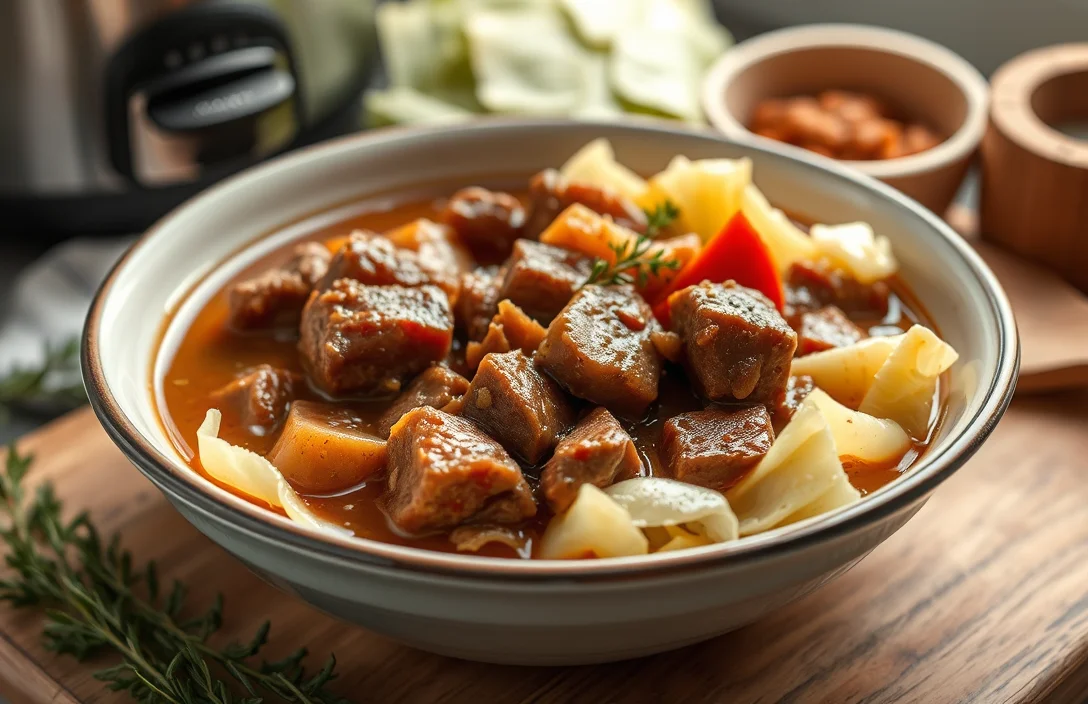
Beef and cabbage stew is the ultimate comfort food, perfect for chilly evenings or when you crave something hearty and satisfying. The rich, savory broth mingles beautifully with tender chunks of beef and sweet cabbage, creating a dish that warms you from the inside out. This recipe is sure to become a weeknight staple!
Key details: Total time: 8 hours, Difficulty level: easy, Servings: 6.
| Prep Time | Cook Time | Total Time | Servings | Difficulty |
|---|---|---|---|---|
| 20 minutes | 8 hours | 8 hours 20 minutes | 6 | Easy |
Origin of Beef and Cabbage Stew
Beef and cabbage stew has a rich history that reflects the culinary traditions of various cultures. This hearty dish is beloved for its simplicity and comforting nature, making it a staple in many households and particularly suited for slow cooking methods.
- Historical Roots: The origins of beef and cabbage stew can be traced back to the peasant cuisines of Europe, particularly in regions like Ireland and Eastern Europe. It was a practical dish made from readily available ingredients, often prepared during the colder months to provide warmth and sustenance.
- Cultural Significance: This stew is not only a meal but also a symbol of resourcefulness, as it utilizes inexpensive cuts of beef and seasonal vegetables. In many cultures, it represents family gatherings and communal meals, often served during significant celebrations and holidays.
- Modern Adaptations: With the advent of slow cookers, this traditional dish has evolved to fit contemporary lifestyles. The slow cooking process allows the flavors to meld beautifully, creating a rich, savory stew that requires minimal hands-on time, making it perfect for busy home cooks.
Understanding the origins of beef and cabbage stew adds depth to the cooking experience, making each bowl not just a meal but a connection to culinary history and family traditions.
Ingredients for Stew
This section outlines the precise ingredients you’ll need to create a hearty beef and cabbage stew in your slow cooker. Using the right varieties of beef and cabbage, along with complementary ingredients, will ensure your stew is flavorful and satisfying.
| Item | Amount/Specification | Notes |
|---|---|---|
| Beef Chuck | 2 pounds (900g), cut into 1-inch cubes | Ideal for slow cooking; tenderizes beautifully. |
| Cabbage | 1 medium head (about 2 pounds or 900g), chopped | Green cabbage works best, but savoy is a good alternative. |
| Carrots | 3 medium, sliced | For sweetness and color. |
| Potatoes | 4 medium, diced | Yukon Gold or red potatoes hold up well in stews. |
| Onion | 1 large, diced | Adds depth of flavor. |
| Garlic | 4 cloves, minced | Enhances aroma and taste. |
| Beef Broth | 4 cups (960ml) | Chicken broth can be substituted if necessary. |
| Tomato Paste | 2 tablespoons | Adds richness and color. |
| Bay Leaves | 2 leaves | For a subtle herbal note. |
| Thyme | 1 teaspoon, dried | Fresh thyme can be used as well; increase to 1 tablespoon. |
| Salt and Pepper | To taste | Adjust seasoning before serving. |
- For a more robust flavor, consider browning the beef in a skillet with a little oil before adding it to the slow cooker.
- If you prefer a slightly sweeter stew, you can add a tablespoon of brown sugar or a splash of balsamic vinegar.
- Ensure that the beef is evenly cut to promote uniform cooking.
Required Kitchen Equipment
Before diving into the delicious world of beef and cabbage stew, it’s essential to gather the right tools. Having the proper kitchen equipment not only makes the cooking process smoother but also enhances your overall experience. Here’s a list of the tools you’ll need to successfully prepare this hearty stew in a slow cooker.
| Item | Amount/Specification | Notes |
|---|---|---|
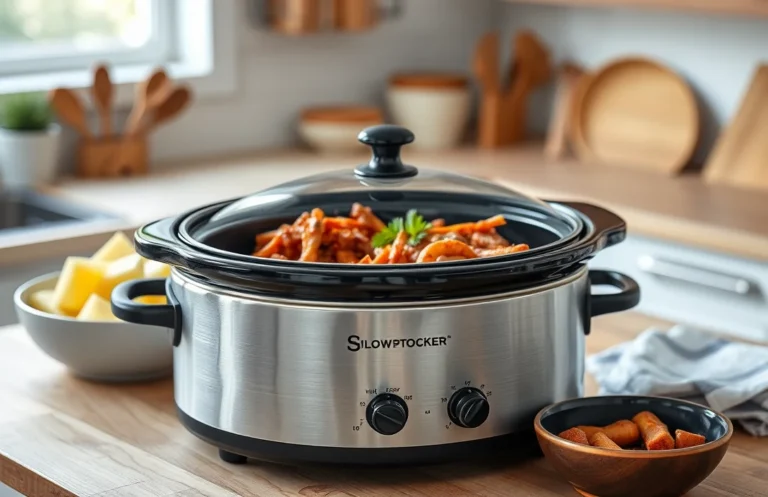
| Slow Cooker | 6-quart capacity | Ensure it’s large enough to hold all ingredients comfortably. |
| Knife | Chef’s knife | A sharp knife is crucial for dicing beef and chopping vegetables. |
| Cutting Board | 1-2 boards | Use separate boards for meat and vegetables to avoid cross-contamination. |
| Measuring Cups | 1 cup, ½ cup | Essential for accurate ingredient measurements. |
| Measuring Spoons | 1 tablespoon, 1 teaspoon | For measuring spices and oils precisely. |
- Tip: Use a heavy-duty slow cooker for best results; it retains heat better.
- Tip: Always keep your knife sharp; a dull knife is more dangerous than a sharp one.
- Tip: Clean and sanitize your cutting board between uses to maintain food safety.
Preparation Steps
Preparing your ingredients carefully is essential for a successful beef and cabbage stew. This section will guide you through chopping the vegetables, seasoning the beef, and tips for marinating to enhance the flavors.
- Chop the Vegetables: Start with 1 medium onion, dicing it finely to release its natural sweetness. Follow this by chopping 2 medium carrots into ½-inch pieces and 2 stalks of celery, also into ½-inch pieces. You want them to be uniform in size to ensure even cooking.
- Prepare the Cabbage: Quarter a small head of green cabbage and remove the core. Slice it into 1-inch thick strips. This size will allow the cabbage to soften beautifully during the slow cooking process, adding texture and flavor to the stew.
- Season the Beef: Use 2 pounds of beef chuck, cutting it into 1-inch cubes. Sprinkle the beef with 1 teaspoon salt, ½ teaspoon black pepper, and 1 teaspoon garlic powder. Toss the beef well to coat evenly, ensuring every piece is seasoned.
- Marinate Tips: If time allows, marinate the seasoned beef for at least 30 minutes at room temperature or up to overnight in the refrigerator for deeper flavor. If marinating overnight, cover the bowl with plastic wrap to prevent odors from other foods affecting the beef.
Pro tip: Allow the beef to come to room temperature for 15 minutes before cooking for more even browning.
Cooking Instructions
This section will guide you through the steps to slow cook your beef and cabbage stew, ensuring that each ingredient melds beautifully for a hearty meal. Following these instructions will help you achieve the perfect texture and flavor, making your stew comforting and delightful.
- Layer Your Ingredients: Start by placing the beef, cut into 1-inch cubes (2 pounds), at the bottom of your slow cooker. This allows the meat to cook evenly and absorb all the delicious flavors. Next, add 1 medium onion, diced, and 3 cloves of garlic, minced, right on top of the beef. The aroma of the garlic will infuse into the meat as it cooks.
- Add Vegetables: Layer in 4 medium carrots, sliced, and 2 medium potatoes, peeled and diced. Then, add 4 cups of shredded green cabbage. This layering technique helps the vegetables retain their texture and flavors while cooking. The cabbage should sit atop the other ingredients, as it will cook down significantly.
- Season and Add Liquid: Sprinkle in 1 teaspoon of salt, ½ teaspoon of black pepper, 1 teaspoon of dried thyme, and 1 tablespoon of Worcestershire sauce for depth. Pour in 4 cups of beef broth, ensuring all ingredients are mostly submerged. The liquid should be just above the vegetables but not overflowing.
- Set Cooking Time: Cover the slow cooker and set it to low heat for 8 hours or high heat for 4 hours. If using the low setting, the beef will become tender, and the flavors will deepen. You’ll know it’s ready when the meat is fork-tender, and the vegetables are soft.
- Check Doneness: About 30 minutes before serving, check the tenderness of the beef and vegetables. The beef should pull apart easily with a fork, and the vegetables should be perfectly soft but not mushy. If needed, adjust seasoning with an additional pinch of salt or pepper.
Pro Tips and Common Mistakes
This section highlights essential tips to ensure your beef and cabbage stew turns out perfectly in the slow cooker. Understanding how to choose the right beef, avoid mushy cabbage, and manage timing can elevate your dish from good to great.
Choosing the Right Beef
- Cut Selection: Opt for tougher cuts like chuck roast or brisket, as these become tender during the long cooking process. Avoid lean cuts like sirloin, which can dry out.
- Marbling: Look for beef with good marbling; the fat will render and keep the meat juicy and flavorful.
Avoiding Mushy Cabbage
To keep your cabbage from turning mushy, add it later in the cooking process. Here’s how:
- Add cabbage during the last 1-2 hours of cooking to maintain its texture.
- Consider cutting the cabbage into larger wedges rather than shreds to help it hold its shape.
Timing Issues
Timing is crucial for achieving the perfect consistency in your stew:
Chef’s tip: If you find your stew is cooking too quickly, lower the slow cooker setting to keep the flavors developing without overcooking.
Here’s a quick reference for cooking times:
| Setting | Cooking Time |
|---|---|
| Low | 8-10 hours |
| High | 4-6 hours |
By following these tips, you can avoid common pitfalls and create a delicious beef and cabbage stew that your family will love!
Variations and Modifications
Exploring variations and modifications for your beef and cabbage stew can enhance flavor, cater to dietary needs, and keep your meals exciting. Here are some practical substitutions and adjustments that you can consider without sacrificing taste or texture.
| Item | Amount/Specification | Notes |
|---|---|---|
| Gluten-free flour | ½ cup (60g) | Use as a thickening agent instead of all-purpose flour. |
| Vegetarian protein | 1 pound (450g) | Substitute beef with lentils or tempeh for a vegetarian option. |
| Vegetable broth | 4 cups (960ml) | Replace beef broth for a vegetarian version. |
| Spices | To taste | Adjust spices like paprika or cayenne for heat preference. |
- Tip: If you’re using lentils or other legumes, adjust the cooking time to avoid them becoming mushy. Cook for about 6-8 hours on low.
- For a richer flavor, consider adding a splash of red wine (about ½ cup) if you’re not keeping it alcohol-free.
- If you want a thicker stew, mix 2 tablespoons of cornstarch with 2 tablespoons of cold water, then stir it into the stew during the last hour of cooking.
- Always taste and adjust seasoning before serving; sometimes a little more salt or pepper can make a big difference.
Serving Suggestions
Completing your beef and cabbage stew is all about enhancing the experience with the right sides, garnishes, and beverages. Here are some delightful ideas to elevate your meal and impress your guests.
Best Sides to Serve
- Crusty Bread: A loaf of fresh, crusty bread or a baguette is perfect for soaking up the flavorful broth.
- Mashed Potatoes: Creamy mashed potatoes (made with 2 pounds of potatoes) complement the stew beautifully. Add ½ cup of heavy cream for richness.
- Steamed Vegetables: Brighten up your plate with a mix of steamed carrots and green beans, seasoned lightly with salt and pepper.
Garnishing Tips
Garnishing your stew can add a pop of color and freshness:
- Fresh Parsley: Chop some fresh parsley and sprinkle it on top before serving for a burst of flavor.
- Cracked Black Pepper: A few twists of cracked black pepper can enhance the aroma.
- Grated Parmesan: A light dusting of grated Parmesan cheese can add a savory layer to each bowl.
Wine Pairings
Pairing your stew with the right wine can enhance the meal:
| Wine Type | Tasting Notes |
|---|---|
| Cabernet Sauvignon | Bold with hints of dark fruit, excellent with the rich flavors of beef. |
| Merlot | Soft and fruity, pairs well with the savory notes of the cabbage. |
| Syrah/Shiraz | Spicy and robust, complements the heartiness of the stew. |
By incorporating these serving suggestions, you can create a warm, inviting atmosphere that makes your beef and cabbage stew an unforgettable meal. Enjoy every bite!
Quick Summary
| Prep Time | 15 minutes |
|---|---|
| Cook Time | 8 hours |
| Total Time | 8 hours 15 minutes |
| Servings | 6 |
- Brown the beef: Sear 2 lbs of chuck roast in a skillet for 4-5 minutes on each side.
- Add veggies: Layer 4 cups of chopped cabbage and 2 diced carrots in the slow cooker.
- Mix the broth: Combine 4 cups of beef broth with 1 tbsp of Worcestershire sauce.
- Cook on low: Set the slow cooker to low for 8 hours for tender meat.
- Season well: Stir in 1 tsp of salt and ½ tsp of pepper before serving.
- Tip: Let the stew rest for 15 minutes after cooking for enhanced flavors.
- Tip: Use fresh cabbage for the best texture and taste.
Frequently Asked Questions
Can I make this ahead of time? How to store and reheat?
You can absolutely make this beef and cabbage stew ahead of time! Store it in an airtight container in the fridge for up to 3 days, and reheat on the stovetop over medium heat until warmed through.
What can I substitute for cabbage?
If you’re looking for a substitute, you can use kale or collard greens as they provide a similar texture and flavor profile. Just chop them roughly and add them in the last hour of cooking to prevent overcooking.
How do I know when it’s done?
Your stew is done when the beef is tender and easily pulls apart with a fork, usually after about 8 hours on low or 4 hours on high. The vegetables should be soft but not mushy, adding a nice texture to the dish.
Can I freeze this? How long does it last?
Yes, you can freeze the beef and cabbage stew for up to 3 months. Just make sure to cool it completely before transferring it to a freezer-safe container to avoid ice crystals.
What if I don’t have a slow cooker?
If you don’t have a slow cooker, you can easily make this stew in a heavy pot or Dutch oven on the stovetop. Just simmer it on low heat for about 2-3 hours, stirring occasionally, until the beef is tender.

- 8 Easy Slow Cooker Beef and Rice Recipes for Delicious Meals - March 29, 2026
- Slow Cooker Beef and Sausage Chili: 7 Steps to Flavorful Success - March 29, 2026
- Savory Beef Back Ribs in a Pressure Cooker: 7 Steps to Perfection - March 29, 2026