How to Cook Bacon in the Pressure Cooker for Perfectly Crispy Strips
Pressure cooking bacon can reduce cooking time by up to 50%, delivering crispy, flavorful results in less than 10 minutes. This method not only enhances taste but also minimizes grease splatter, making cleanup easier and more efficient than traditional frying methods.
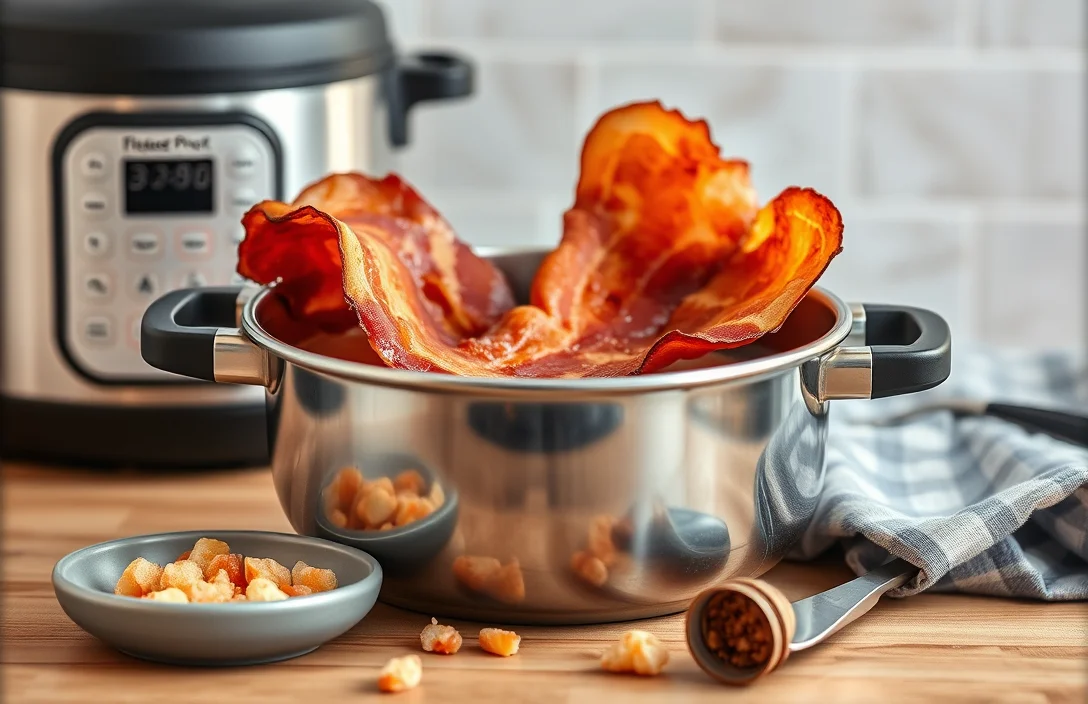
Cooking bacon in a pressure cooker is quick and effective. Benefits include reduced cooking time, easy cleanup, and less splatter. You can achieve crispy bacon with perfect flavor without the mess associated with frying.
Choosing the Right Bacon
High-quality bacon makes a significant difference in pressure cooking. Opt for thick-cut varieties, as they hold up better under high pressure and enhance texture. Look for bacon sourced from high-quality pork, which contributes to a richer flavor. Check for minimal additives and preservatives to ensure a healthier option.
Smoked bacon offers an excellent flavor profile, perfect for pressure cooking. The smoking process enhances the natural taste, resulting in crispy, flavorful strips. Consider options like applewood or hickory-smoked varieties for distinct tastes that complement various dishes. Always select bacon with a good balance of meat and fat for optimal results.
Uncured bacon provides a healthier alternative, often using natural ingredients for preservation. This type typically has a fresher flavor and is free from artificial nitrates and nitrites. If health is a priority, uncured options can be a great choice while still delivering the taste you desire from your bacon.
Local or artisanal bacon can elevate your cooking experience. These options often feature unique flavor profiles and are made from sustainably raised pigs. Supporting local producers not only enhances your meals but also contributes to the community. Explore farmers’ markets or specialty stores for these delicious varieties.
Preparing Bacon for Cooking
Cut strips before cooking to ensure even cooking and crispiness. Start by laying the bacon flat on a cutting board. Use a sharp knife for clean cuts. Aim for uniform pieces, around 1 to 2 inches wide, suitable for fitting into your pressure cooker without overcrowding.
- Slice bacon into uniform pieces. Ensure each piece resembles the same width for consistent cooking results.
- Season strips as desired. Popular options include black pepper, garlic powder, or a hint of brown sugar for sweetness.
- Optionally marinate bacon. For added flavor, let the seasoned strips sit for at least 30 minutes. This enhances the taste before cooking.
- Prepare for cooking. Lay the seasoned strips flat on a plate or tray, making them easy to transfer to the pressure cooker.
Using these steps, you ensure your bacon is ready for the pressure cooker, guaranteeing that each piece cooks evenly and absorbs flavors effectively.
Setting Up the Pressure Cooker
Begin by ensuring the pressure cooker is clean and dry. Any residual moisture or food particles can affect cooking performance and flavor. Inspect the sealing ring for damage; a damaged ring can lead to pressure loss, resulting in uneven cooking.
- Ensure the inner pot is positioned correctly. It should sit snugly in the cooker without any wobbling.
- Fill the cooker with a small amount of water. Adding about 1 cup of water helps create steam, essential for proper cooking.
- Check the steam release valve. Make sure it is set to the sealing position to prevent steam from escaping during cooking.
- Verify the lid is properly locked. A securely closed lid is crucial for maintaining the necessary pressure.
- Plug in the pressure cooker and select the appropriate settings. Familiarize yourself with your specific model to maximize its features.
Completing these steps sets the stage for effective cooking. Proper setup ensures that bacon will cook evenly and achieve the desired crispiness.
Cooking Time and Temperature
Set the pressure cooker to high pressure for optimal results. Cooking bacon in this tool typically takes around 8 to 10 minutes. Adjust the time based on the thickness of the strips and personal preference for crispiness. For thicker cuts, lean toward the longer cooking time to ensure thorough cooking without compromising texture.
Monitor the pressure indicator closely. Once the cooking time is complete, allow for a natural release of pressure for about 5 minutes. After this, switch to a quick release to release any remaining steam. This method helps maintain moisture while achieving that desired crispy finish.
Consider adjusting the temperature based on your specific model. Some pressure cookers may have different heating elements that can affect cooking times slightly. Always refer to your manufacturer’s instructions for precise guidance on time and temperature settings to achieve perfectly cooked bacon.
Crisping Techniques Post-Cooking
Achieving crispiness after cooking requires proper techniques. Start by transferring the cooked bacon onto a cooling rack placed over a baking sheet. This method allows excess grease to drip away while air circulates around the strips, preventing sogginess.
Next, consider placing the bacon under a broiler for a few minutes. Broiling on high heat crisps up the surface quickly, enhancing the texture. Keep a close eye to avoid burning; the process can go fast.
Another effective method involves using a skillet. Heating a non-stick or cast-iron pan over medium-high heat allows you to crisp the bacon further. Place the strips in the hot pan without overcrowding, flipping them until the desired texture is reached.
Lastly, using an air fryer can yield excellent results. Preheat the air fryer and cook the bacon for several minutes, checking frequently. This technique circulates hot air, ensuring an even and crispy finish.
Storing and Reheating Leftover Bacon
Preserving leftover bacon requires proper storage methods to maintain its flavor and texture. After cooking, let the bacon cool to room temperature before storing. Wrap it securely in aluminum foil or plastic wrap to prevent exposure to air, which can cause it to become stale.
Freezing leftover bacon is a great option for long-term storage. Cut cooked strips into serving sizes and place them in an airtight container or a resealable freezer bag. This method helps keep bacon fresh and ready for future meals.
Reheating requires careful attention to avoid overcooking. Use these methods for best results:
- Microwave on low power: Place bacon on a microwave-safe plate and cover with a paper towel. Heat in 20-30 second intervals until warmed.
- Oven reheating: Preheat your oven to 350°F (175°C). Arrange bacon on a baking sheet and heat for about 10 minutes or until crispy again.
- Skillet method: Heat a non-stick skillet over medium heat. Add bacon and cook for a few minutes until warmed through, flipping occasionally.
Following these tips ensures leftover bacon maintains its deliciousness and can be enjoyed in various dishes later on.
Troubleshooting Common Issues
Burnt bacon often results from excessive cooking time or high pressure. To prevent this, adjust your cooking time based on the thickness of the strips. For regular bacon, 5 minutes on high pressure followed by a quick release usually yields optimal results. Experiment with shorter times if you notice it cooking too fast.
Greasy bacon can occur if the pressure cooker is overfilled. Ensure you use only enough strips to allow for proper steam circulation. Using a trivet or rack can help elevate the bacon, allowing grease to drain effectively, resulting in a crispier outcome.
Uneven cooking may happen due to overcrowding. To achieve uniform results, cook bacon in batches, ensuring each piece has enough space. Stacking strips can lead to some being undercooked while others are burnt.
Odors lingering after cooking can be reduced by adding a cup of water to the cooker during the process. This will help create steam and minimize strong smells. Cleaning the pot promptly with warm soapy water after use also aids in eliminating any residual scents.
Overly chewy bacon indicates insufficient cooking time. If you find that the texture isn’t to your liking, try increasing the cooking duration slightly. Each pressure cooker varies, so adjusting times based on your specific appliance is essential for achieving the perfect crispiness.
Quick Summary
- Cooking bacon in a pressure cooker significantly reduces cooking time compared to traditional methods.
- The pressure cooker retains moisture, resulting in tender and juicy bacon.
- Using a pressure cooker minimizes splatter, making cleanup easier.
- Bacon can be cooked in bulk, perfect for meal prep or feeding a crowd.
- Flavor enhancements, such as spices or marinades, can be easily incorporated during cooking.
- Safety features of modern pressure cookers help prevent overcooking and burning.
- Experimenting with different cuts of bacon can yield unique textures and flavors.
Frequently Asked Questions
Can you cook bacon in a pressure cooker?
Yes, you can cook bacon in a pressure cooker. It helps render the fat quickly and evenly, resulting in crispy bacon. Just make sure to use a trivet or rack to keep the bacon elevated from the bottom of the pot.
How long does it take to cook bacon in a pressure cooker?
Cooking bacon in a pressure cooker typically takes about 10-15 minutes. This includes time for the cooker to come to pressure and the cooking time itself. Always check for desired crispiness before serving.
Do I need to add water when cooking bacon in a pressure cooker?
No, you do not need to add water to cook bacon in a pressure cooker. The bacon will release enough fat and moisture during cooking, which is sufficient for pressure cooking.
Should I cut the bacon before cooking it?
It’s not necessary to cut the bacon before cooking, but you can cut it into smaller pieces if you prefer. This can help it fit better in the pot and cook more evenly.
How do I achieve crispy bacon in a pressure cooker?
To achieve crispy bacon, you can finish it in an air fryer or under a broiler after pressure cooking. This additional step will help render out more fat and give the bacon a nice crisp finish.

- 8 Easy Slow Cooker Beef and Rice Recipes for Delicious Meals - March 29, 2026
- Slow Cooker Beef and Sausage Chili: 7 Steps to Flavorful Success - March 29, 2026
- Savory Beef Back Ribs in a Pressure Cooker: 7 Steps to Perfection - March 29, 2026