7 Delicious Slow Cooker Asparagus Recipes with Pro Tips & Variations
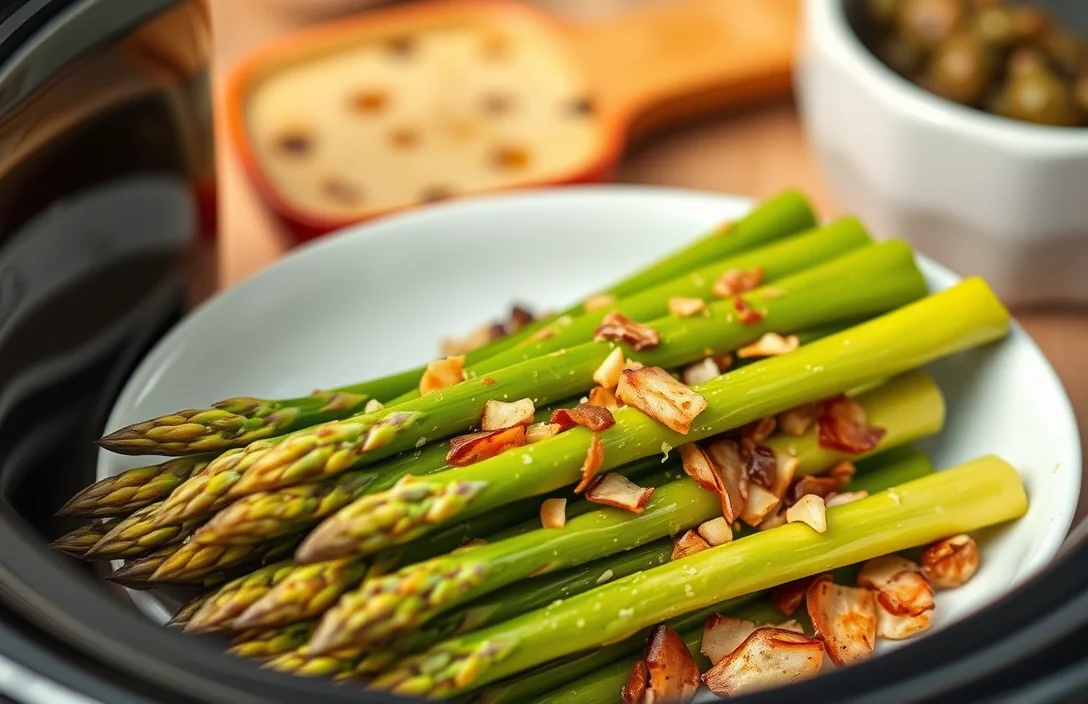
Asparagus in the slow cooker is a delightful weeknight staple that brings the vibrant flavors of spring to your table, all while requiring minimal effort. Imagine tender, perfectly cooked asparagus infused with seasonings, ready to complement any meal or stand alone as a light, flavorful side. It’s comfort food that everyone will love!
Get ready for delicious asparagus cooked to perfection in your slow cooker. Total time: 4 hours, Difficulty level: Easy, Servings: 4.
| Prep Time | Cook Time | Total Time | Servings | Difficulty |
|---|---|---|---|---|
| 10 minutes | 4 hours | 4 hours 10 minutes | 4 | Easy |
Origin and Significance
Asparagus has a rich culinary history that dates back thousands of years, celebrated not only for its delicate flavor but also for its nutritional benefits. Understanding its origins and significance can enhance your appreciation for including this vegetable in your slow cooker recipes.
Culinary History
Asparagus has been enjoyed since ancient times, with evidence of its consumption found in ancient Egypt, Greece, and Rome. The Greeks appreciated asparagus for its taste and health benefits, while Romans cultivated it extensively, even exporting it to different regions. Its popularity spread throughout Europe and eventually to the Americas, where it became a staple in many cuisines.
- Ancient Egyptians used asparagus in medicinal remedies.
- The Romans considered it a delicacy and served it fresh during spring.
- In the 19th century, asparagus gained popularity in the United States, especially in California.
Nutritional Benefits
Asparagus is packed with nutrients, making it a fantastic addition to any meal, particularly when cooked in a slow cooker where flavors meld beautifully. Here are some key nutritional benefits:
| Nutrient | Amount per 1 cup (134g) |
|---|---|
| Calories | 27 |
| Fiber | 3g |
| Vitamin K | 57% of Daily Value |
| Folate | 34% of Daily Value |
Incorporating asparagus into your slow cooker recipes not only enhances flavor but also adds a wealth of nutrients to your meals, making it a smart choice for health-conscious cooks.
Essential Ingredients
In this section, we’ll gather the essential ingredients needed to create delicious slow-cooked asparagus. Utilizing fresh ingredients and the right spices will elevate the flavor and ensure a delightful dish. Here’s what you’ll need:
| Item | Amount/Specification | Notes |
|---|---|---|
| Fresh asparagus | 1 pound (450g) | Trimmed and cut into 2-inch pieces |
| Olive oil | 2 tablespoons | For enhanced flavor and moisture |
| Garlic | 3 cloves | Minced |
| Lemon juice | 2 tablespoons | Freshly squeezed for brightness |
| Salt | ½ teaspoon | To taste |
| Black pepper | ¼ teaspoon | Freshly ground for best flavor |
| Parmesan cheese | ¼ cup (25g) | Grated, optional for serving |
- For a vegan option, substitute olive oil with vegetable broth.
- If you’re allergic to garlic, try using garlic powder or omit it altogether.
- Fresh herbs like thyme or dill can be added for an aromatic touch.
- Make sure the asparagus is bright green and firm, avoiding any yellow or limp stalks.
Equipment and Prep Steps
This section covers the essential kitchen tools you’ll need for making asparagus in the slow cooker, as well as how to properly prepare the asparagus for cooking. Proper preparation ensures optimal flavor and texture, making your dish a success.
- Choose the Right Slow Cooker: A 4 to 6-quart slow cooker is recommended for this recipe. Ensure that it has a tight-fitting lid to retain moisture and heat. If you’re cooking a larger batch, you may need to adjust cooking times slightly.
- Gather Your Equipment: In addition to the slow cooker, have a cutting board and a sharp knife ready for prep. You’ll also need a measuring cup and spoons for accurate ingredient measurements, a vegetable peeler for peeling if desired, and tongs for handling the cooked asparagus.
- Prepare the Asparagus: Start with 1 pound of fresh asparagus. Rinse the spears under cool running water to remove any dirt. Pat them dry with a clean kitchen towel. Trim the woody ends by cutting off about 1 to 2 inches from the bottom — the asparagus should feel firm and slightly crisp.
- Optional Peeling: If you prefer a more delicate texture, you can peel the lower third of each asparagus spear using a vegetable peeler. This step is not necessary but can help the asparagus cook more evenly. The spears should look vibrant green and feel tender to the touch.
- Seasoning Prep: If your recipe calls for seasoning, prepare it now. For a simple flavor, have 2 tablespoons of olive oil, salt, and pepper ready. You can also have garlic minced or lemon zest prepared if desired. This will ensure you have everything at hand when you need it.
Cooking Instructions
This section provides detailed, step-by-step instructions for three flavorful slow cooker asparagus recipes. Each recipe brings out the unique taste of asparagus while being simple enough for any home cook to follow.
Recipe 1: Garlic Butter Asparagus
- 1 pound fresh asparagus, trimmed
- 2 tablespoons unsalted butter
- 3 cloves garlic, minced
- Salt and pepper to taste
- Begin by melting the butter in a small saucepan over low heat. Once melted, stir in the minced garlic and sauté for 2-3 minutes until fragrant, but not browned.
- Place the trimmed asparagus in the slow cooker and pour the garlic butter over the top. Sprinkle with salt and pepper, ensuring the asparagus is evenly coated.
- Cover and cook on LOW for 2-3 hours or until the asparagus is tender but still bright green. You’ll know it’s done when you can easily pierce it with a fork.
Recipe 2: Lemon Herb Asparagus
- 1 pound fresh asparagus, trimmed
- 2 tablespoons olive oil
- Juice of 1 lemon
- 1 teaspoon dried thyme
- Salt to taste
- In a mixing bowl, whisk together the olive oil, lemon juice, thyme, and salt. The mixture should be fragrant and well combined.
- Place the asparagus into the slow cooker and pour the lemon-herb mixture over it. Toss gently to coat the asparagus thoroughly.
- Cover and cook on LOW for 2 hours. The asparagus should be tender and glistening with the lemon-oil mixture when done.
Recipe 3: Parmesan Asparagus
- 1 pound fresh asparagus, trimmed
- ¼ cup grated Parmesan cheese
- 2 tablespoons olive oil
- ½ teaspoon garlic powder
- Salt and pepper to taste
- Drizzle the olive oil over the asparagus in the slow cooker, then sprinkle with garlic powder, salt, and pepper. Toss to ensure even coating.
- Sprinkle the grated Parmesan cheese over the asparagus. Make sure the cheese is evenly distributed for optimal flavor.
- Cover and cook on LOW for 2-3 hours. The asparagus will be tender, and the cheese should melt and form a delightful crust.
Pro Tips and Common Mistakes
Cooking asparagus in a slow cooker can yield delicious results, but it requires some careful attention to avoid common pitfalls. Here are some expert tips to ensure your asparagus comes out perfectly tender and flavorful without turning mushy.
Avoiding Mushy Asparagus
- Choose the right thickness: Opt for medium-sized asparagus spears, about ½ inch thick. Thicker spears can hold up better in the slow cooker, while thinner ones may become overly soft.
- Cut to uniform lengths: Cut the asparagus into 2-3 inch pieces to ensure even cooking. This prevents some pieces from cooking faster than others, which can lead to mushiness.
- Limit cooking time: Set your slow cooker on low for 2-3 hours or high for 1-1.5 hours. Keep an eye on them towards the end of the cooking time; they should be bright green and tender-crisp, not limp.
Seasoning Tips
- Use fresh herbs: Fresh herbs like thyme or dill can elevate the flavor. Add about 1 tablespoon of chopped fresh herbs during the last 30 minutes of cooking to maintain their vibrant taste.
- Balance flavors: Consider adding a splash of lemon juice or balsamic vinegar (about 1 tablespoon) right before serving. This brightens the dish and adds a nice acidity that complements the asparagus.
- Don’t skimp on oil: Drizzle 2 tablespoons of olive oil over the asparagus before cooking. This not only aids in flavor but also helps to prevent sticking and enhances the overall texture.
Recipe Variations
When it comes to cooking asparagus in a slow cooker, there are plenty of variations to suit different dietary preferences and flavors. Below, you’ll find vegan options and gluten-free substitutes that can elevate your dish while keeping it delicious and satisfying.
Vegan Options
| Item | Amount/Specification | Notes |
|---|---|---|
| Vegetable broth | 1 cup (240ml) | Replace chicken broth for a vegan base. |
| Olive oil | 2 tablespoons | Keep for flavor or substitute with avocado oil. |
| Nutritional yeast | ¼ cup (20g) | Add for a cheesy flavor without dairy. |
Gluten-Free Substitutes
| Item | Amount/Specification | Notes |
|---|---|---|
| Gluten-free soy sauce | 2 tablespoons | Use instead of regular soy sauce for flavor. |
| Gluten-free breadcrumbs | ½ cup (50g) | For a crispy topping; ensure they’re certified gluten-free. |
- For a burst of flavor, consider adding fresh herbs like thyme or rosemary.
- If you want a bit of heat, sprinkle in some red pepper flakes or diced jalapeños.
- Adjust cooking times if using thicker asparagus stalks; they may need a longer cooking time.
Serving Ideas and Pairings
Asparagus prepared in the slow cooker offers a tender, flavorful side dish that complements a variety of main courses. Here are some serving suggestions and wine pairings that will elevate your meal and enhance the deliciousness of the asparagus.
- Plating Suggestions: Serve the slow-cooked asparagus on a large, white platter to showcase its vibrant green color. Drizzle with a balsamic reduction or sprinkle with freshly grated Parmesan cheese for a touch of elegance. For a pop of color, add cherry tomatoes or slices of lemon around the asparagus, enhancing both the visual appeal and flavor.
- Pairing with Main Dishes: The mild flavor of slow-cooked asparagus pairs beautifully with grilled chicken or salmon. For a vegetarian option, serve alongside quinoa-stuffed bell peppers or a hearty lentil salad. The earthiness of roasted meats, like pork or beef, also complements the freshness of the asparagus.
- Wine Pairings: A crisp Sauvignon Blanc or a light Pinot Grigio makes a delightful pairing with asparagus, as their acidity cuts through the richness of the dish. If you prefer red, opt for a light-bodied Pinot Noir, which won’t overpower the flavors of the asparagus.
- Consider Seasoning Variations: If you’re looking to change things up, try adding garlic, lemon zest, or fresh herbs like thyme or dill to the slow cooker. These additions can enhance the asparagus’s natural flavors and make it a versatile side dish for any occasion.
Quick Summary
| Prep Time | Cook Time | Total Time | Servings |
|---|---|---|---|
| 10 minutes | 4 hours | 4 hours 10 minutes | 4 |
- Prep asparagus: Trim ends and wash thoroughly before placing in the slow cooker.
- Add flavor: Mix in olive oil, garlic, salt, and pepper to enhance taste.
- Set temperature: Cook on low for 4 hours for tender, flavorful asparagus.
- Check doneness: Asparagus should be bright green and easily pierced with a fork.
- Serve immediately: Enjoy as a side dish while still warm for the best flavor.
- Key Tip: Avoid overcooking; check for doneness at the 3-hour mark.
- Key Tip: Use fresh, firm asparagus for optimal texture and taste.
Frequently Asked Questions
Can I make this ahead of time? How to store and reheat?
You can prepare asparagus in the slow cooker ahead of time and store it in an airtight container for up to 3 days in the refrigerator. To reheat, simply microwave for 1-2 minutes or warm on the stovetop over low heat until heated through.
What can I substitute for olive oil?
If you don’t have olive oil, you can use avocado oil or butter as a substitute, both of which will enhance the flavor of the asparagus. Just use the same amount, typically 2 tablespoons.
How do I know when it’s done?
Your asparagus is done cooking when it becomes bright green and slightly tender, which usually takes about 3-4 hours on low in the slow cooker. Test a piece with a fork; it should be easily pierced but still have a bit of crunch.
Can I freeze this? How long does it last?
Yes, you can freeze cooked asparagus for up to 3 months, but it’s best to blanch it before freezing for better texture. Store it in a freezer-safe bag, removing as much air as possible.
What if I don’t have a slow cooker?
If you don’t have a slow cooker, you can easily make asparagus in a stovetop pot by simmering it on low heat with a lid for about 20-25 minutes until tender. Just keep an eye on it and stir occasionally to prevent sticking.

- 8 Easy Slow Cooker Beef and Rice Recipes for Delicious Meals - March 29, 2026
- Slow Cooker Beef and Sausage Chili: 7 Steps to Flavorful Success - March 29, 2026
- Savory Beef Back Ribs in a Pressure Cooker: 7 Steps to Perfection - March 29, 2026