Slow Cooker Asian Beef Stew: 8 Steps to Perfect Flavor
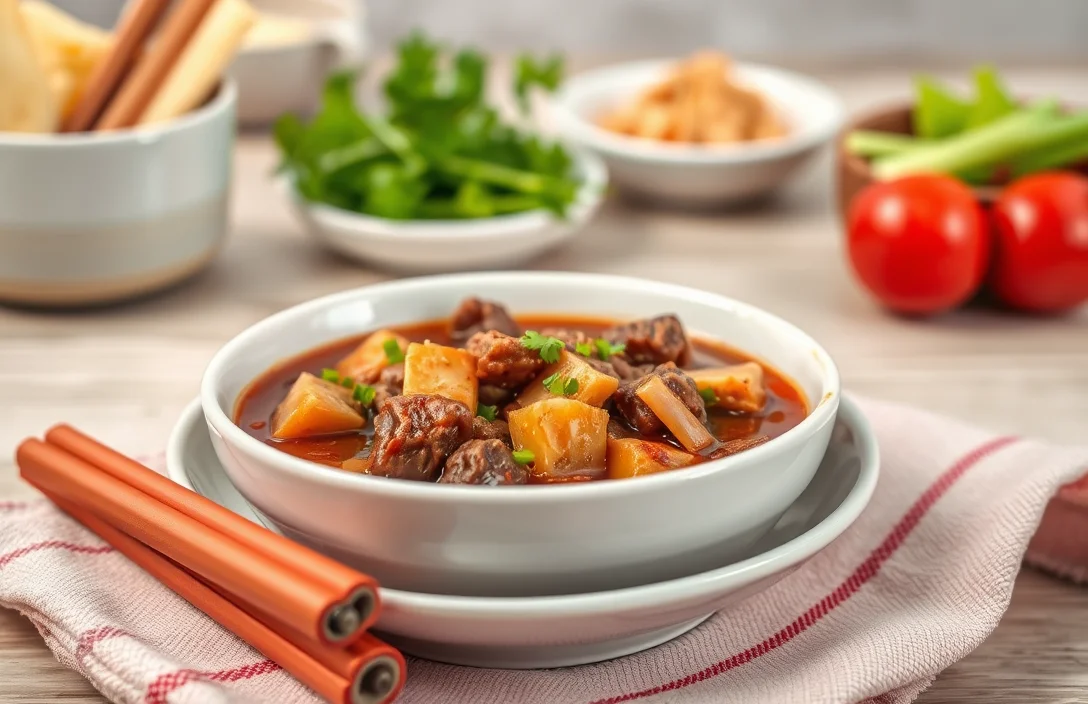
If you’re looking for a dish that wraps you in warmth and satisfaction, this Asian beef stew is your answer. The tender chunks of beef simmered in a rich, savory broth, infused with soy sauce and ginger, create an aroma that’ll make your mouth water. Perfect for weeknight dinners or a cozy gathering, it’s comfort food at its finest.
Total Time: 8 hours, Difficulty Level: Easy, Servings: 6
| Prep Time | Cook Time | Total Time | Servings | Difficulty |
|---|---|---|---|---|
| 15 minutes | 8 hours | 8 hours 15 minutes | 6 | Easy |
Origin of Asian Beef Stew
Asian beef stew is a beloved dish that reflects the rich culinary traditions of various Asian cultures. This hearty stew often combines tender beef with aromatic spices and vegetables, creating a comforting meal that resonates with both home cooks and food enthusiasts alike.
- Cultural Significance: Asian beef stew is not just a dish; it embodies the essence of communal dining and family gatherings. In many Asian cultures, stews are slow-cooked to develop deep flavors, making them ideal for sharing with loved ones. Ingredients like soy sauce, ginger, and garlic not only enhance the taste but also carry cultural meanings, symbolizing warmth and hospitality.
- When to Serve: This stew is often enjoyed during colder months and festive occasions, where family and friends come together to share a meal. It’s perfect for Sunday dinners or holiday celebrations, as the slow cooking process allows flavors to meld beautifully, making it a comforting choice for any gathering.
Ingredients for Beef Stew
Gathering the right ingredients is crucial for making a delicious Asian beef stew in your slow cooker. Below, you’ll find a detailed list of all the necessary components, including beef cuts, vegetables, spices, and sauces. Each ingredient plays a unique role in creating the rich and comforting flavors that define this dish.
| Item | Amount/Specification | Notes |
|---|---|---|
| Beef Chuck | 2 pounds (900g) | Cut into 1-inch cubes for even cooking |
| Carrots | 3 medium | Cut into ½-inch slices |
| Potatoes | 2 medium | Cut into 1-inch cubes, any variety will work |
| Onion | 1 large | Diced; adds sweetness and depth |
| Garlic | 4 cloves | Mince for intense flavor |
| Ginger | 1 tablespoon | Fresh, finely grated for a zesty kick |
| Beef Broth | 4 cups (960ml) | Low-sodium preferred for better control of saltiness |
| Soy Sauce | ¼ cup (60ml) | For umami flavor; use tamari for gluten-free |
| Brown Sugar | 2 tablespoons | Balances the savory elements |
| Sesame Oil | 2 tablespoons | Adds a nutty aroma; optional for flavor |
| Red Pepper Flakes | 1 teaspoon | Add more for extra heat |
| Salt & Pepper | To taste | Season throughout cooking |
- For a leaner option, you can use beef sirloin instead of chuck, but keep an eye on cooking time to prevent drying out.
- If you’re sensitive to gluten, ensure all sauces are labeled gluten-free.
- Feel free to add other vegetables like bell peppers or mushrooms for more variety.
- For a thicker stew, consider adding 2 tablespoons of cornstarch mixed with a bit of cold water towards the end of cooking.
Essential Kitchen Tools
Having the right tools at your disposal is crucial for crafting a delicious Asian beef stew in a slow cooker. These tools will not only make the preparation process smoother but also enhance the cooking experience. Here’s what you’ll need:
- Slow Cooker: A good quality slow cooker is essential for this recipe. Look for one that has a capacity of at least 6 quarts to accommodate all the ingredients comfortably. This size allows the flavors to meld beautifully over the cooking time of 6-8 hours on low or 3-4 hours on high.
- Cutting Board: A sturdy cutting board is important for safely preparing your ingredients. Opt for a large, non-slip board to provide enough space for dicing the beef, chopping vegetables, and mincing garlic and ginger. This will help keep your workspace organized and make the prep work more efficient.
- Measuring Cups and Spoons: Precise measurements are key to achieving the perfect balance of flavors in your stew. Use standard measuring cups for liquids and dry ingredients, along with measuring spoons for small quantities of spices and seasonings. This attention to detail ensures each ingredient shines through in the final dish.
Step-by-Step Cooking Process
This section will guide you through the detailed steps to prepare and cook your Asian beef stew in a slow cooker. Each step is designed to ensure that you achieve a delicious, tender result that’s packed with flavor.
- Prep the Ingredients: Start by dicing 2 pounds of beef chuck into 1-inch cubes. This cut of meat is ideal for slow cooking as it becomes tender with long cooking times. Mince 4 cloves of garlic and slice 1-inch piece of ginger into thin strips. Chop 2 carrots and 1 onion into bite-sized pieces. Gather 1 cup of sliced mushrooms, 1 bell pepper, and ½ cup of scallions for garnish.
- Season the Beef: In a large bowl, combine the cubed beef with ¼ cup of soy sauce, 2 tablespoons of rice vinegar, and 1 tablespoon of sesame oil. Toss well to coat the beef evenly. Let it marinate for about 15 minutes to enhance the flavors. The beef should smell aromatic and look glossy from the marinade.
- Prepare the Slow Cooker: While the beef is marinating, plug in your slow cooker and set it to low heat. This allows it to preheat slightly, which is beneficial for cooking. The low setting is perfect for developing rich flavors over 6-8 hours.
- Add Ingredients to the Slow Cooker: Transfer the marinated beef into the slow cooker. Layer in the chopped onions, carrots, mushrooms, and bell peppers. Pour in 2 cups of beef broth and add 1 tablespoon of brown sugar for sweetness. Stir gently to combine, ensuring the beef is submerged in the liquid.
- Cooking Time: Cover the slow cooker with its lid and cook on low for 6-8 hours or high for 3-4 hours. Check at the halfway mark; the beef should be starting to tenderize and the aroma should fill your kitchen. If using the high setting, ensure you stir occasionally to promote even cooking.
- Final Adjustments: Once the cooking time is up, check the tenderness of the beef. It should easily shred with a fork. If necessary, let it cook for an additional 30 minutes. Taste the stew and adjust the seasoning with more soy sauce or salt to your preference. Serve hot, garnished with chopped scallions.
Pro Chef Tips
Making a delicious Asian beef stew in a slow cooker is a rewarding experience, but there are some common pitfalls to avoid. This section will cover critical tips on ingredient quality, cooking temperature, and other expert advice to ensure your stew turns out perfectly every time.
Common Mistakes
- Using Low-Quality Meat: Always choose chuck roast or brisket, as these cuts become tender and flavorful when slow-cooked. Avoid lean cuts like sirloin, which can dry out.
- Skipping the Browning Step: Sear the beef in 2 tablespoons of vegetable oil over medium-high heat for 4-5 minutes until browned. This adds depth of flavor to your stew.
- Overcrowding the Slow Cooker: If you add too much beef, it won’t brown properly. Stick to a maximum of 3 pounds (1.4 kg) for optimal results.
Ingredient Quality
Using fresh, high-quality ingredients is crucial. For the best flavor, opt for:
- Fresh garlic and ginger instead of jarred alternatives.
- Low-sodium soy sauce to control salt levels.
- Fresh vegetables like carrots and onions, chopped evenly for consistent cooking.
Cooking Temperature
Set your slow cooker to low (around 190°F or 88°C) for 8-10 hours or high (around 300°F or 149°C) for 5-6 hours. Avoid opening the lid frequently; this can drop the temperature and extend cooking time.
Chef’s tip: If your stew is too thin at the end of cooking, thicken it with a mixture of 1 tablespoon cornstarch and 2 tablespoons water, whisked together and stirred in.
Variations and Substitutions
This section highlights alternative ingredients and adaptations for your Asian beef stew, catering to dietary preferences and enhancing flavors. Whether you’re looking to make the dish gluten-free, vegetarian, or just shake up the flavor profile, these options will help you create a stew that suits your needs.
Gluten-Free Options
| Item | Amount/Specification | Notes |
|---|---|---|
| Soy Sauce | ¼ cup (60ml) | Use gluten-free soy sauce or tamari. |
| Beef Broth | 4 cups (960ml) | Ensure it’s labeled gluten-free. |
Vegetarian Adaptations
| Item | Amount/Specification | Notes |
|---|---|---|
| Beef | 1 ½ pounds (680g) | Substitute with 1 ½ pounds of mushrooms (shiitake or portobello) for a rich, meaty texture. |
| Vegetable Broth | 4 cups (960ml) | Replace beef broth with vegetable broth. |
Flavor Variations
- Add 1 tablespoon of sesame oil for a nutty aroma.
- Incorporate 1 tablespoon of sriracha for a spicy kick.
- Include 1 teaspoon of five-spice powder for a deeper flavor profile.
Tip: Always taste and adjust seasonings as the stew cooks to ensure the flavors develop beautifully.
Serving Suggestions
Pairing your Asian beef stew with complementary sides and garnishes can elevate the dining experience, making it even more delightful. Here are some ideas to enhance the presentation and flavor of your dish, along with a few beverage options that harmonize beautifully with the stew.
- Side Dishes: Serve your stew alongside fluffy jasmine rice or sticky rice (about 1 cup per person) to soak up the rich sauce. Alternatively, steamed bok choy or sautéed green beans tossed in sesame oil add a fresh, crunchy contrast to the tender beef. Aim for about ½ pound of vegetables to serve 4 people.
- Garnishes: Top your stew with freshly chopped cilantro (about ¼ cup) for a burst of color and flavor. You can also sprinkle some sliced green onions (2-3 stalks) and sesame seeds (1 tablespoon) for added texture. If you like a bit of heat, thinly slice a red chili pepper and add it on top just before serving.
- Beverage Pairings: For a refreshing accompaniment, serve iced green tea or a light lager beer. If you prefer wine, a fruity Pinot Noir or a slightly sweet Riesling complements the savory notes of the stew well. Aim for about 5 ounces of beverage per serving.
Chef’s tip: Allow the stew to cool slightly before serving; this helps the flavors meld together even more and makes for easier serving.
Quick Recipe Summary
This section provides a quick reference for preparing Asian beef stew in a slow cooker, including the essential ingredients, cooking times, and servings. Having this summary at hand makes it easier to gather your items and plan your cooking schedule efficiently.
Ingredients List
- 2 pounds beef chuck, cut into 1-inch cubes
- 2 tablespoons soy sauce
- 1 tablespoon oyster sauce
- 1 tablespoon sesame oil
- 4 cups beef broth
- 1 cup carrots, sliced
- 1 cup potatoes, diced
- 1 onion, chopped
- 4 cloves garlic, minced
- 1 tablespoon fresh ginger, minced
- 1 teaspoon black pepper
- 1 tablespoon cornstarch (optional, for thickening)
- 2 tablespoons water (optional, for thickening)
Cooking Time and Servings
This recipe takes approximately:
| Activity | Time |
|---|---|
| Preparation | 15 minutes |
| Cooking in Slow Cooker | 8 hours on low or 4 hours on high |
Serves: 6-8 people. This stew is perfect for gatherings or meal prep, as it stores well and tastes even better the next day!
Chef’s tip: If you prefer a thicker stew, mix cornstarch with water and stir it in during the last 30 minutes of cooking.
Quick Summary
| Prep Time | Cook Time | Total Time | Servings |
|---|---|---|---|
| 15 minutes | 8 hours | 8 hours 15 minutes | 6 |
- Brown the beef: Sear 2 pounds of beef chunks in a skillet for 5 minutes to enhance flavor.
- Add veggies: Include 1 chopped onion, 3 carrots, and 2 potatoes in the slow cooker.
- Mix sauce: Combine 1/4 cup soy sauce, 2 tablespoons ginger, and 3 cloves garlic in a bowl.
- Set slow cooker: Cook on low for 8 hours for tender beef.
- Thicken stew: Mix 2 tablespoons cornstarch with 2 tablespoons water and stir in 30 minutes before serving.
- Key tip: Use well-marbled beef for tenderness.
- Key tip: Let the stew cool before storing to enhance flavors.
Frequently Asked Questions
Can I make this ahead of time? How to store and reheat?
You can definitely make this Asian beef stew ahead of time! Store it in an airtight container in the fridge for up to 3 days, and reheat on the stovetop over low heat until warmed through.
What can I substitute for soy sauce?
If you’re looking for a substitute, you can use tamari for a gluten-free option or coconut aminos for a soy-free version. Both will provide a similar umami flavor without compromising the dish.
How do I know when it’s done?
The stew is done when the beef is tender and easily shreds with a fork, usually after about 6-8 hours on low in the slow cooker. You’ll also notice the sauce thickening and the vegetables becoming soft.
Can I freeze this? How long does it last?
Yes, you can freeze the stew for up to 3 months in an airtight container. Just thaw it overnight in the fridge before reheating on the stovetop or in the microwave.
What if I don’t have a slow cooker?
If you don’t have a slow cooker, you can make this stew on the stovetop in a heavy pot or Dutch oven over low heat for about 2-3 hours, stirring occasionally. Just make sure to add a bit more broth to prevent it from drying out!

- 8 Easy Slow Cooker Beef and Rice Recipes for Delicious Meals - March 29, 2026
- Slow Cooker Beef and Sausage Chili: 7 Steps to Flavorful Success - March 29, 2026
- Savory Beef Back Ribs in a Pressure Cooker: 7 Steps to Perfection - March 29, 2026